“A system cannot fail those it was never meant to protect.”
~W.E.B. Du Bois
This powerful statement by W.E.B. Du Bois serves as a sobering reminder of the realities African Americans face within institutions and systems not designed with us in mind. Whether it is healthcare, education, or economic opportunities, these systems too often falter when it comes to meeting our needs. Should we expect otherwise? This is the question we must ask ourselves.
The hard truth is that these institutions were never built to protect or empower us. While that truth can feel disheartening, it also holds a call to action: stop waiting on these systems to deliver what they were never intended to. Instead, build. Sustain. Trust in what we create for ourselves.
Harnessing Our Resilience
As a people, we have always been resourceful, innovative, and resilient. Our history speaks to a legacy of survival and creation against all odds. From cultivating sustainable food practices to inventing tools that revolutionized industries, our contributions have shaped the very fabric of this nation and the world.
But this legacy does not stop with our ancestors, though. It is our responsibility to carry it forward. We cannot remain dependent on systems that have consistently failed us. Instead, we must invest in our own future, educate our children to become producers, and equip them with the tools to navigate and succeed despite systemic barriers.
Educating Our Own
Education is a cornerstone of progress. What happens, though, when the education system fails to teach our history, affirm our worth, or prepare our children for a competitive world? The answer is simple: we educate our own.

We must create spaces where our youth learn not only academic skills but also cultural pride and the importance of innovation and self-sufficiency. Whether through community programs, mentorship, or supplemental education, we must prepare our children to be problem-solvers and leaders and producers rather than consumers.
Investing in Our Health and Wealth
The gaps in healthcare and economic opportunities are glaring, but they are not insurmountable. Black communities have long practiced wellness and self-care outside of traditional systems. We have grown our own food and relied on holistic health practices. Additionally, we have supported each other through collective economics.
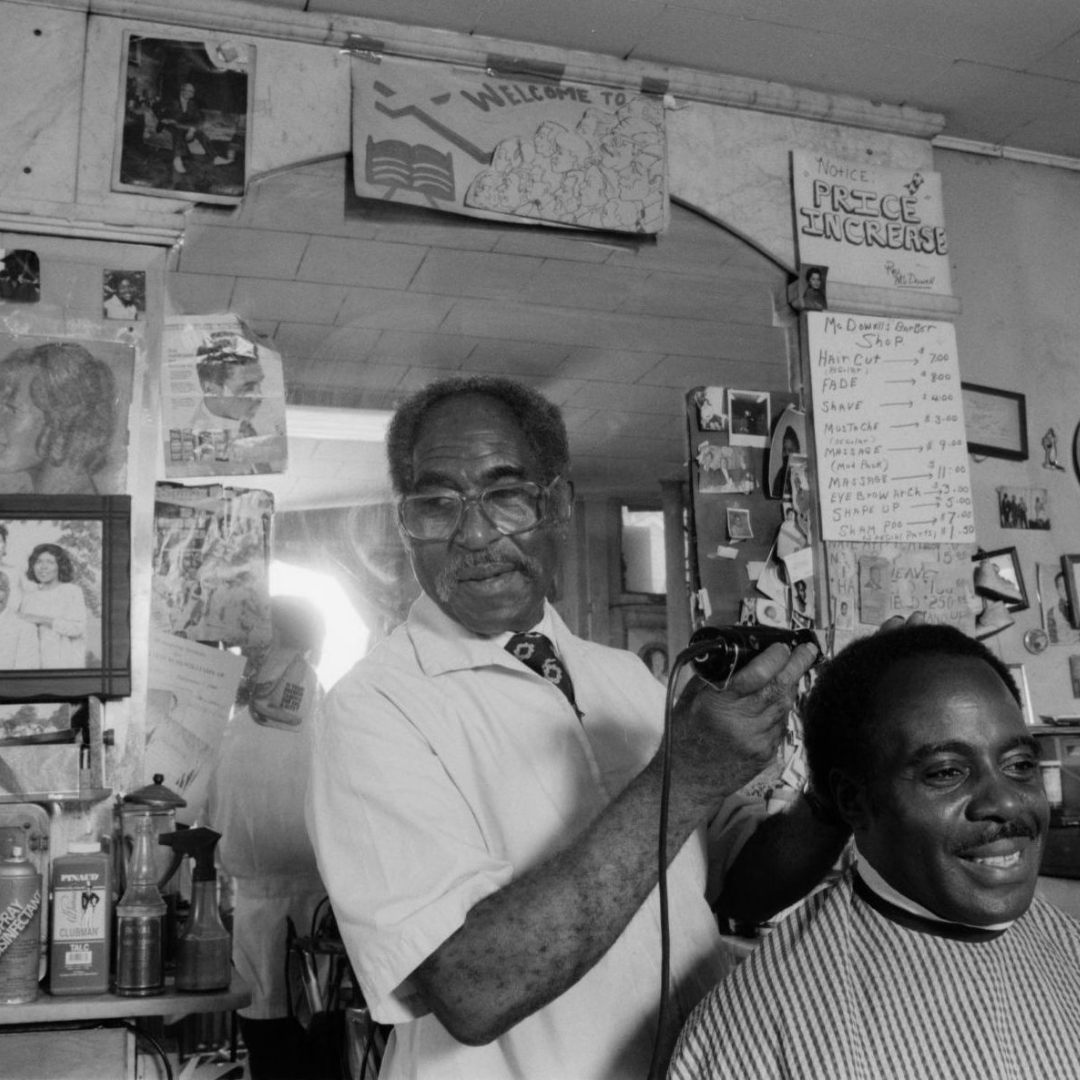
It is time to revive those practices. Actually, we should already have done so. Today, let us prioritize teaching our communities about financial literacy, homeownership, and sustainable living. We must support Black-owned businesses and invest in initiatives that build generational wealth.
Faith Over Systems
Above all, our faith must rest not in man or these systems, but in God. When we place our trust in divine guidance, we tap into infinite possibilities that transcend human limitations. Faith becomes the compass that steadies us as we navigate and overcome the challenges before us.
This reliance on faith is not new. It is deeply rooted in the legacy of our ancestors. During the darkest times of slavery, Jim Crow, and systemic oppression, faith was their lifeline. They trusted in a higher power to sustain them when every earthly system was against them. They found strength to endure unimaginable hardships through spirituals sung in the fields, secret prayers whispered in the night, and unwavering belief in a better future.
Faith was not passive for our ancestors. It was active and consistent. It fueled their courage and inspired their resistance. Harriet Tubman relied on divine guidance as she led hundreds to freedom through the Underground Railroad, saying, “I always told God, I’m going to hold steady on You, and You’ve got to see me through.” The Civil Rights Movement was also anchored in faith, with leaders like Dr. Martin Luther King Jr. invoking biblical principles of justice and love as they challenged oppressive systems.
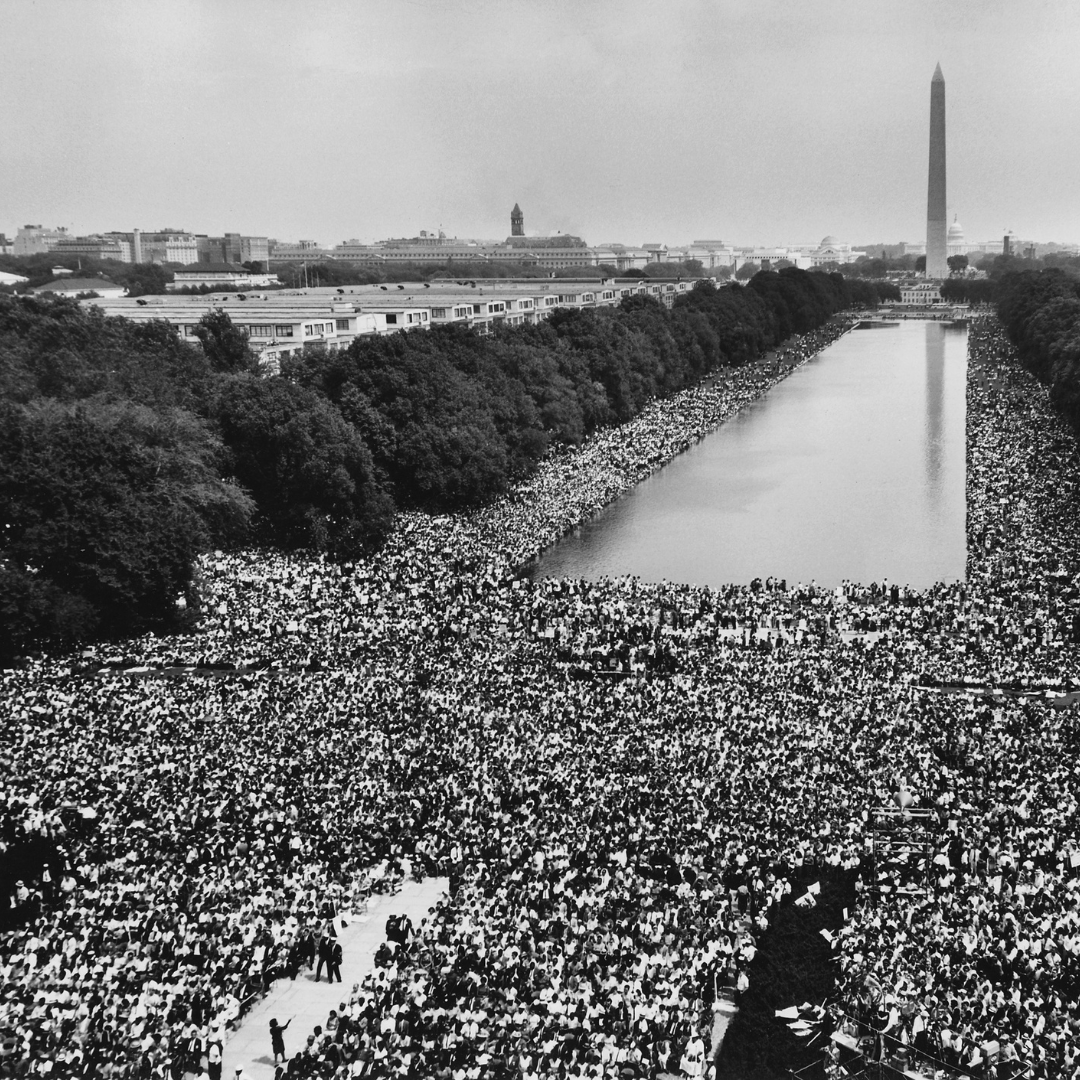
Their faith did not just help them survive. It empowered them to act, to organize, and to demand change. Because they trusted in God, they were able to envision a future beyond their current circumstances—a future where their descendants could live freer, fuller lives. We are still enjoying the fruits of their labor today. Our descendants will continue to enjoy these fruits today and in the future.
Today, we are living the answers to their prayers. However, their example teaches us that faith alone is not enough. Faith must be paired with action. My grandparents exemplified this through their dedication to sacrifice and hard work, often taking on humbling jobs—not because they wanted to, but because they were committed to ensuring that we could live better, more prosperous lives. Just as our ancestors used their faith to fuel their resilience and determination, we too must trust in God’s plan as we work to create a better world.
Most importantly, faith is not about ignoring the realities of oppressive systems. It is about believing in the power to overcome them. It is about knowing that with God, we can build what we need to thrive, no matter what the world says is possible.
We must honor our ancestors’ legacy by holding steady in our faith and using it as a foundation to guide our steps. As they relied on God to change the course of history, so must we as we carry forward their courage, their vision, and their trust in the divine to shape a brighter future for generations to come. Our faith cannot falter in the face of challenges or disillusionment with present circumstances. Instead, it must anchor us, keeping us focused and resolute as we press forward with purpose and determination.
A Vision for the Future
Imagine: a future where our communities are self-sufficient hubs of innovation and prosperity; a future where our children grow up knowing their history, believing in their potential, and equipped to lead; and a future where we create and sustain systems that work for us. We do not just have to imagine this for the future. That future begins now—with us.
Let us stop waiting for protection or validation from systems that were never meant for us. It is never going to manifest because it was never meant to do so. Instead, let us honor our legacy. We need to trust in our resourcefulness. Finally, we must faithfully commit to building a better tomorrow. Together, we are more than capable of shaping the future we deserve. The work is ours to do.
Working,
Erika
 Live With Joy With Coach Erika L. Wilkins
Leave a comment