“Vulnerability is not weakness; it is our greatest measure of courage.” – Brené Brown
Today, I had one of those soul-stirring conversations that stays with you long after it is over. I spoke with someone whose story of struggle and triumph could have easily been my own or yours. She opened up about her challenges, her pain, and her journey in a way that felt raw, unguarded, and real. Her willingness to be vulnerable created space for me to do the same, and in that shared moment, there was a connection so profound that it felt like healing.
As we talked, I realized something: her openness was not just for me. There were others listening who might have seen themselves in her story, or mine, and perhaps walked away with a nugget of wisdom or encouragement to share with someone else. Vulnerability, in that space, was not a weakness—it was power.
This experience brought to mind a painful truth about Black women. For generations, we have been told—directly and indirectly—that we must be strong, that we must bear the weight of the world on our shoulders without complaint. Society loves the image of the Black superwoman who sacrifices her time, her energy, her peace, and even her health for everyone else. It is an image many of us wear like a badge of honor, but often at a steep cost.
We suffer in silence. We hide our pain. We isolate ourselves when life gets hard because admitting we are struggling feels like admitting defeat. But what if we stopped buying into that lie? What if we rejected the idea that vulnerability is weakness and instead embraced it as a gateway to healing?
The “strong Black woman” archetype may seem empowering on the surface, but it often leaves us feeling depleted and unseen. Strength, as it is traditionally defined, is not sustainable. It demands that we show up for everyone else while neglecting ourselves. It tells us that asking for help is shameful, that our needs do not matter, and that showing emotions is a luxury we cannot afford.
But let me tell you what I have learned: true strength is knowing when to ask for help. It is acknowledging that we cannot do it all—and that we should not have to.
When we allow ourselves to be vulnerable, we create space for connection. Vulnerability says, “I am human, and I need support.” It is a form of self-care because it honors our feelings and our needs. It is also an act of courage.
It took courage for her to share her story. It took courage for me to admit my own struggles in return. And in that courage, there was freedom.
Here is the thing: being vulnerable does not just help us. It helps others too. When we share our truths, we give others permission to do the same. We show that it is okay to not have it all together, that it is okay to cry, to rest, and to say, “I need help.”
Self-care is not just spa days and bubble baths (though those are nice too). It is about making choices that nurture your mind, body, and spirit. It is about saying “no” when you need to and “yes” to what replenishes you. And sometimes, it is about sitting with another Black woman and saying, “This is what I am going through,” knowing that she understands.
If we are going to break the cycle of silence and isolation, it starts with us. We have to be willing to drop the mask of perfection, to let go of the need to be all things to all people, and to say, “I matter too.”
So, I will ask you this: What is one step you can take today to prioritize your own needs? Who can you call, text, or meet with to share your truth?
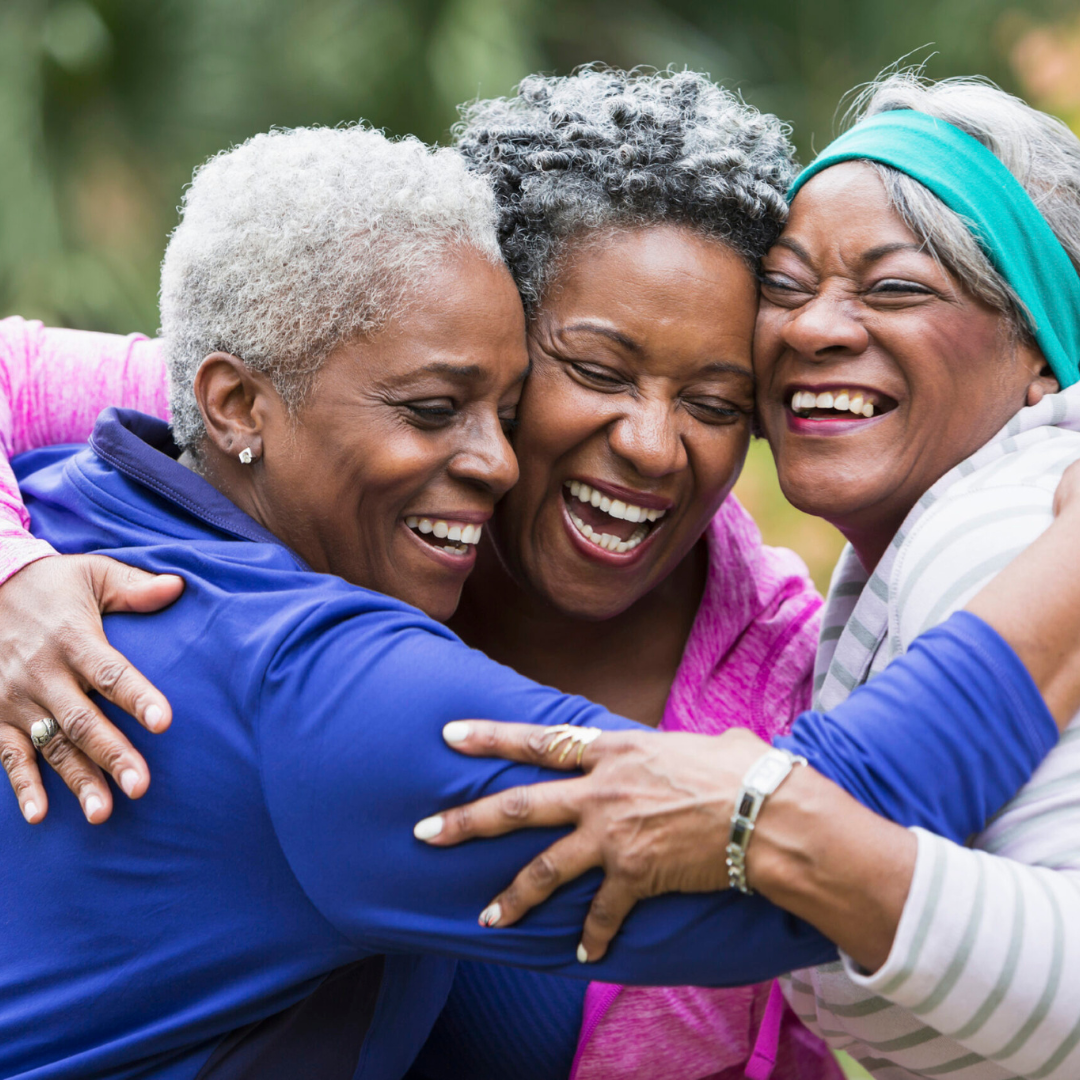
We must constantly remind ourselves—and each other—that we do not have to do this alone. Together, in our vulnerability, we can find strength. Together, we can heal.
Black women, let us commit to healing together.
Committing,
Erika
 Live With Joy With Coach Erika L. Wilkins
Leave a comment