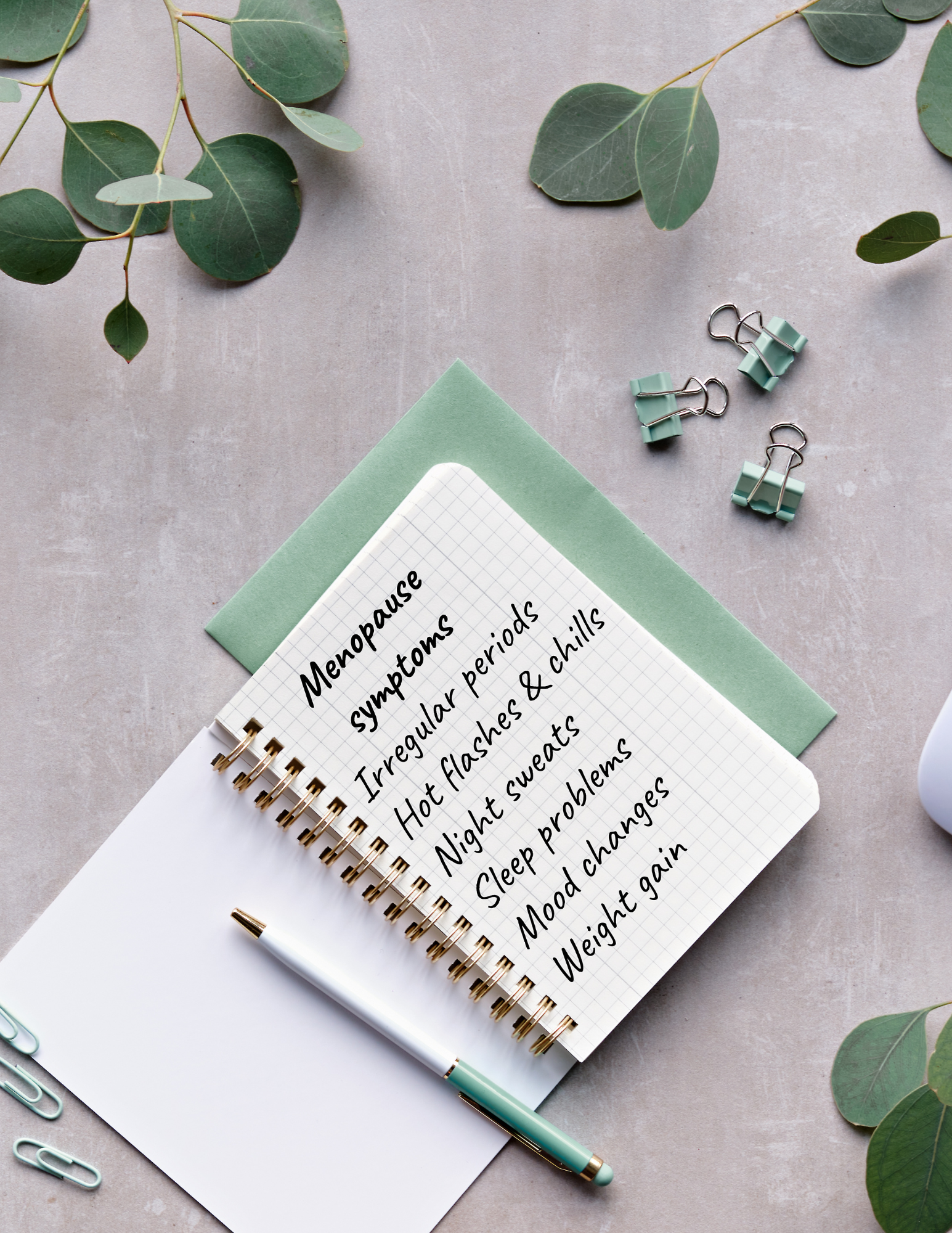
Sisters, life’s journey often brings us to places we never expected, but remember, it was bound to happen. Menopause is a profound transition that touches every aspect of our being. As Black women, this phase of life often intersects with other significant changes, adding layers of complexity and depth. My own journey through menopause has been intertwined with battling breast cancer, moving back to my hometown only to move away again, embracing my new role as a grandmother, and rekindling old friendships while forging new ones. Let’s walk together through this story, offering each other compassion, support, and understanding.
The Personal Journey
My dear sisters, my journey through menopause has been anything but straightforward. It began with a breast cancer diagnosis, a trial that tested every ounce of my strength and resolve. As I went through treatment, my body changed—both from the effects of menopause and the toll of cancer. These physical changes forced me to look within and reconcile with the woman I was becoming.
Moving from my hometown was another heart-wrenching transition. After years of constant relocation for my career, I finally returned home, only to be uprooted once more. But this time, I chose to see the move as another step in my journey of growth and self-discovery.
Becoming a grandmother has been one of the most beautiful experiences of my life. Yet, it brought its own challenges, especially as I navigated the physical and emotional shifts of menopause. Balancing the joy of nurturing my grandchildren with the need to care for myself required patience and self-compassion.
Embracing Change and Increasing Faith
Embracing our changing bodies and mindsets, my sisters, is essential. Menopause brought about physical changes that were hard to accept at first—weight gain, hot flashes, and mood swings became my daily companions. But I learned that acceptance and self-compassion are vital. By embracing these changes, I discovered a new strength within myself.
Increasing my faith has also been instrumental in this journey. During the darkest moments—whether battling cancer, facing yet another move, or grappling with the realities of menopause—my faith provided me with solace and hope. It allowed me to find purpose in my pain and trust that there was a greater plan for my life.
Struggles with Physical and Mental Changes
One of the most challenging aspects of menopause has been accepting the physical and mental changes in my body. The weight gain seemed relentless, making me feel uncomfortable in my own skin. Hot flashes disrupted my days and nights, leaving me feeling exhausted and irritable. The mood swings and irritability tested my patience, not only with others but also with myself.

Mentally, I struggled with surrendering the mindset I once had in my 30s and 40s. Back then, I felt invincible, capable of handling anything that came my way. Now, I had to come to terms with the fact that my body and mind were changing, and that was okay. It was a tough pill to swallow, but it was necessary for my growth and well-being.
Gratitude and Embracing the Transition
Instead of focusing on the disappointments and frustrations, I chose to practice gratitude. I began to appreciate my body for all it had endured and overcome. Each hot flash reminded me of my resilience, each mood swing a testament to my emotional depth. I learned to be grateful for the lessons menopause was teaching me about patience, self-care, and compassion.
Embracing this transition has been an ongoing journey. As time passes, I continue to remind myself that menopause is not an end, but a new beginning. It is an opportunity to redefine my identity, to nurture my spirit, and to embrace the wisdom that comes with age. I am learning to see the beauty in this stage of life and to celebrate the strength that has carried me through.
Impact on Marriage
Menopause doesn’t only affect us individually; it ripples through our relationships, especially our marriages. The physical and emotional changes can strain even the strongest bonds. Mood swings and irritability can lead to misunderstandings, while physical changes may affect intimacy. It’s crucial to communicate openly with our partners, sharing our experiences and feelings.
In my own marriage, navigating menopause has required patience and understanding from both sides. We’ve had to learn new ways of connecting and supporting each other. By fostering open dialogue and showing compassion, we’ve managed to strengthen our relationship through this journey.
Caring for Aging Parents
As if navigating menopause and its impacts on our personal lives weren’t challenging enough, many of us also find ourselves caring for aging parents. This added responsibility can be overwhelming, draining our emotional and physical energy. Balancing our own needs with those of our parents requires resilience and grace.
I’ve learned that it’s okay to ask for help and to take time for myself. Self-care is not selfish; it’s essential. By caring for ourselves, we can better care for those who depend on us. It’s important to build a support network, lean on friends and family, and seek professional help if needed.
Support from Friends and Family
During this time, support from our closest friends and family is especially necessary. Our husbands and children, though well-meaning, often lack a deep understanding of what we are going through. The complexities of menopause are difficult to grasp without firsthand experience, making it challenging for them to fully empathize.
Close friends, particularly those who have gone through or are going through menopause themselves, provide invaluable support. They understand the hot flashes, the mood swings, the emotional rollercoaster. Their empathy and shared experiences create a safe space where we can vent, seek advice, and find comfort.
Shared Experiences and Public Perspectives
Sisters, many of us share similar experiences as we navigate menopause. It is a time of significant physical, emotional, and psychological change. Public figures like Oprah Winfrey and Viola Davis have opened up about their menopause journeys, shedding light on the challenges and triumphs of this phase. Their stories resonate with us, reminding us that we are not alone.
Oprah has spoken about the emotional rollercoaster that menopause can be, highlighting the importance of self-care and seeking support. Viola Davis has discussed how menopause affected her self-perception and the steps she took to embrace her evolving identity. These narratives are powerful reminders that while menopause can be challenging, it is also an opportunity for growth and self-discovery.
The Challenges and the Need for Support
Despite the positive aspects, menopause can be an incredibly challenging phase. The physical symptoms alone—hot flashes, night sweats, insomnia—can be overwhelming. Coupled with the emotional toll of mood swings, anxiety, and depression, it is no wonder that many women struggle to embrace this stage.
One significant challenge is the impact of menopause on our ability to appreciate and acknowledge the need for good friends to support us through this journey. The emotional turbulence can make it difficult to reach out and connect with others, leading to feelings of isolation and loneliness. Yet, it is during this time that we need our friends the most.
Supporting One Another
As Black women, it is crucial that we continue to support one another through the journey of menopause. Building a strong support network can make all the difference. Here are a few ways we can support each other:
- Open Conversations: Share your experiences and listen to others. Open conversations about menopause can reduce stigma and provide comfort.
- Emotional Support: Be there for your friends. Sometimes, just knowing someone cares can be incredibly comforting.
- Practical Help: Offer practical assistance, whether it’s helping with daily tasks, providing childcare, or simply being a shoulder to lean on.
- Encouragement: Encourage self-care and self-compassion. Remind each other of the importance of taking time for oneself and embracing the changes with grace.
- Faith and Spirituality: Share your faith and spiritual practices. For many of us, faith is a cornerstone of strength and resilience.
 Live With Joy With Coach Erika L. Wilkins
Leave a comment