I have written this blog to explore the diverse and nuanced preferences of black women when it comes to romantic partners and potential husbands. Just like ordering a burger at a restaurant, where servers inquire about your preferences, rare, medium, or well-done, black women navigate a spectrum of preferences and priorities in their search for love. From cultural compatibility to shared values, each woman has her own unique “recipe” for the perfect partnership. Let’s discuss the complexities of modern dating and relationships within the black community and examine how individual tastes and societal influences shape the quest for love.

Cultural factors play a significant role in shaping the preferences of black women when it comes to choosing partners within their own community. Upbringing often sets the foundation for these preferences, as familial values and teachings can instill a sense of cultural pride and solidarity. For example, if a black woman is raised in a household that emphasizes the importance of preserving cultural heritage and maintaining connections within the black community, she may be more inclined to seek partners who share similar values and experiences.
Societal norms also exert a considerable influence on the preferences of black women in terms of partner selection. Historically, black communities have faced systemic discrimination and marginalization. This has led to a collective sense of solidarity and resilience. As a result, there may be societal pressure for black women to prioritize relationships with partners who understand and empathize with their experiences of racial discrimination. This sense of solidarity may foster a preference for partners within the black community who share similar cultural backgrounds and experiences. They may find it easier to navigate relationships with someone who understands the nuances of navigating a society that may not always value black lives equally.
In literature, novels like Toni Morrison’s “Beloved” or movies like Barry Jenkins’ “If Beale Street Could Talk,” depict black women protagonists involved in relationships within the black community amidst systemic discrimination and social injustice. These narratives often highlight the importance of solidarity and shared experiences in romantic partnerships. For instance, in “If Beale Street Could Talk,” the protagonist, Tish, faces numerous challenges as her relationship with Fonny progresses. Fonny is a black man who is wrongfully accused of a crime. Despite the obstacles they encounter, their love is depicted as a source of strength and resilience in the face of societal oppression. Tish and Fonny’s bond is rooted in a shared understanding of recurring systemic injustices faced by blacks in America. Their relationship serves as a testament to the power of love and solidarity even in the midst of oppression.
This example further illustrates how societal norms and collective experiences of discrimination may shape the preferences of black women in partner selection. The portrayal of relationships in literature and media also often reflect the complexities of black love and identity within a society marked by racial inequality. They are also examples which highlight the importance of why black women might choose a partner based on solidarity and cultural understanding.
Media representations further contribute to shaping the preferences of black women when it comes to choosing partners. Mainstream media often perpetuates narrow and stereotypical portrayals of black individuals, which can impact perceptions of attractiveness and desirability. For example, if black women are consistently portrayed as being undesirable or relegated to subordinate roles in romantic narratives, this may influence their self-esteem and partner preferences. Conversely, positive representations of black love and relationships in media may affirm the value of intra-community connections and reinforce the idea that love and companionship may be found within one’s own cultural context.
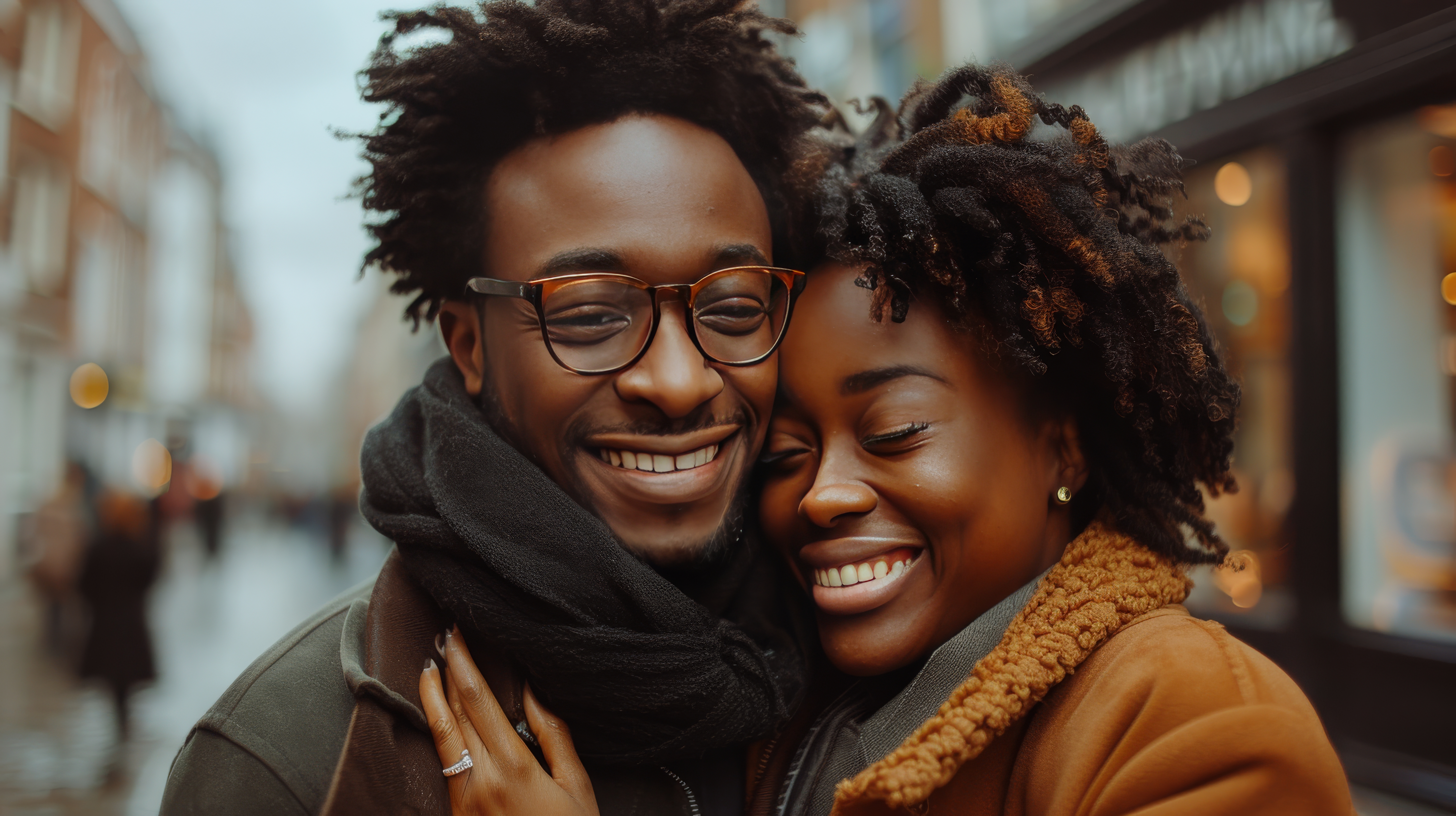
One notable example of positive representations of black love and relationships in media is the television series “Black-ish” created by Kenya Barris. The show follows the lives of the Johnson family, an upper-middle-class African American family living in a predominantly white neighborhood. Throughout the series, “Black-ish” explores various aspects of contemporary black life, including relationships, identity, and cultural experiences.
In particular, the relationship between Dre and Rainbow Johnson, portrayed by Anthony Anderson and Tracee Ellis Ross, serves as a central focus of the show. Dre and Rainbow’s marriage is depicted as a strong, loving partnership built on mutual respect, communication, and shared experiences. Despite their differences in upbringing and perspectives as black individuals, Dre and Rainbow navigate the challenges of parenthood, career aspirations, and cultural identity with humor, resilience, and affection while still remaining true to their authenticity.
Through their portrayal of Dre and Rainbow’s relationship, “Black-ish” affirms the value of intra-community connections and celebrates the beauty and strength of black love. The show demonstrates that love and companionship can thrive within one’s own cultural context. Their successful and consistently healthy relationship challenges stereotypes and misconceptions about black relationships in mainstream media, much like the Cosby Show in the 80’s.
Additionally, “Black-ish” explores the complexities involved with interracial relationships through secondary characters like Dre’s sister, who is married to a white man. By depicting both intra-community and interracial relationships with nuance and authenticity, “Black-ish” fosters conversations about love, identity, and diversity within the black community and beyond. The show exemplifies how positive representations of black love and relationships in media can reinforce the importance of intra-community connections and affirm the richness and diversity of black experiences in contemporary society.
Media representations of interracial relationships may also influence the preferences of black women. While interracial relationships are increasingly common and should be celebrated, media portrayals that exclusively depict black women in relationships with partners outside of their community can inadvertently reinforce the notion that blackness is not inherently valuable or desirable. This may create internal conflicts for black women who may feel torn between their desire for cultural connection and the pressure to conform to mainstream standards of attractiveness.
As I have shared, cultural factors such as upbringing, societal norms, and media representations significantly influence the preferences of black women for partners within their own community. These factors contribute to a sense of cultural pride, solidarity, and the desire for understanding and empathy in romantic relationships. By acknowledging and understanding these influences, one can better appreciate the complexities of intra-community relationships and work towards fostering more inclusive and affirming representations of black love in media and society.
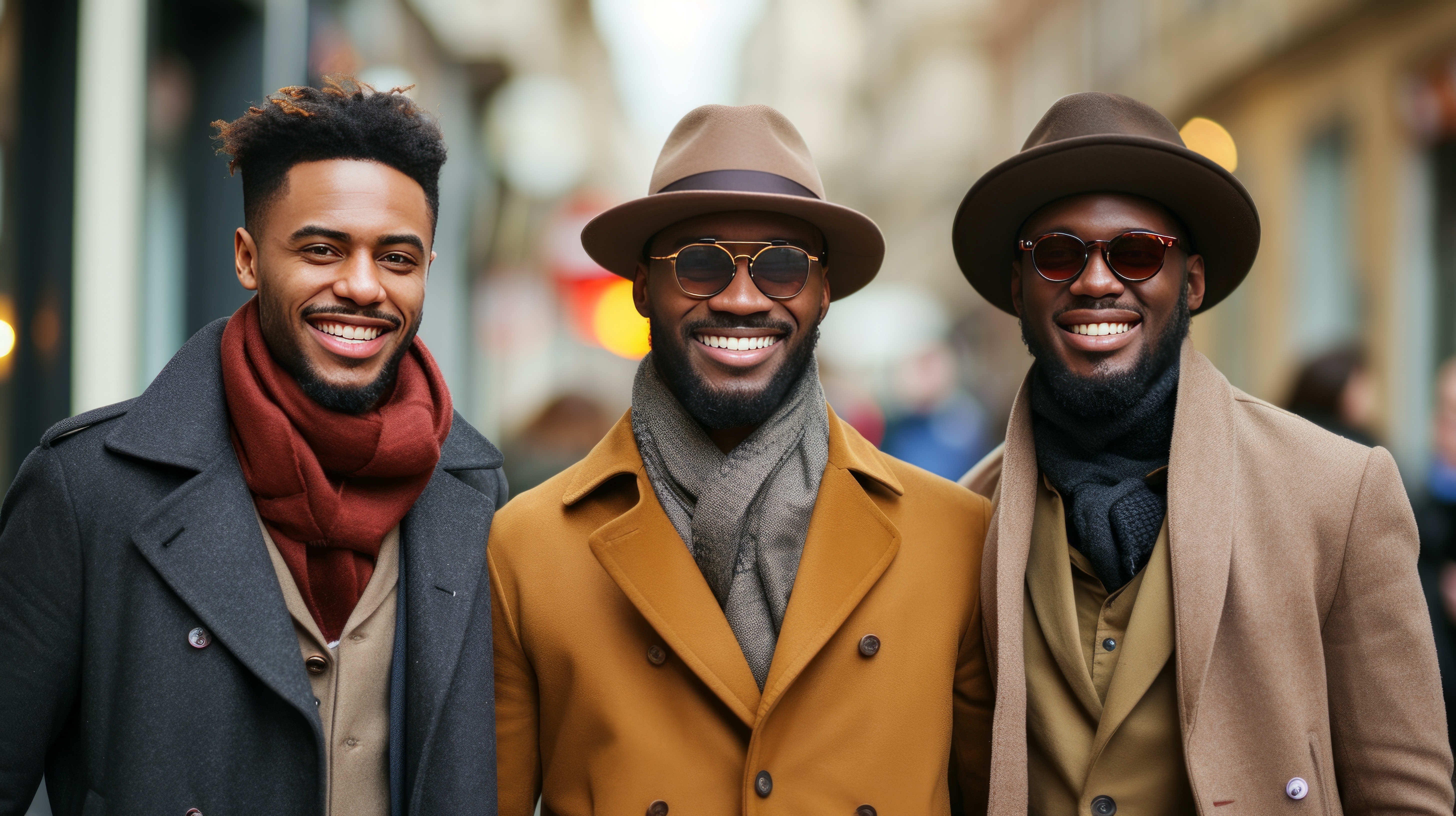
Just as savoring a burger requires specifying how it’s cooked, understanding a woman’s preferences in a man demands making deliberate choices. Discerning qualities desired in a partner involves intentional decisions and considerations tailored to individual tastes much like selecting a burger’s level of doneness. Just as one might prefer their burger rare, medium, or well-done, women navigate their romantic preferences with unique specifications. Each choice reflecting a personalized blend of desires, values, and aspirations. So, I ask the question, “How do you like your burger?”

 Live With Joy With Coach Erika L. Wilkins
Leave a comment